What to Check When Visiting a Flooring Store in Owensboro KY

When you're checking out flooring in Owensboro, KY, it's easy to focus on colors or styles. But what really matters is how that flooring holds up once it's actually installed. That becomes even more important in the winter. Cold air, ice melt, wet boots, and dry heat from furnaces can mess with even the best-looking floors.
A trip to a local flooring store gives you more than a list of options. It’s a chance to notice how materials react to the season and how they're prepared before going into your home. If you’re shopping during February or early March, winter wear is something worth paying close attention to. Slowing down and checking a few simple things can make the difference between floors that last and floors that disappoint.
Start With How the Floors Are Displayed
A showroom tells you a lot without saying a word. The way flooring samples are presented shows whether the store wants you to picture how your floors will live over time, not just how they’ll look fresh out of the box.
• Look for walkable displays. Standing on a mock setup gives you a better feel than flipping through planks on a wall. You want to see how the surface handles weight and how seams come together.
• Make sure samples are easy to compare side by side. When textures and finishes are laid out well, it’s easier to choose without guessing.
• Pay attention to lighting. Natural and artificial light can make colors shift. If a sample looks one way by the window and another next to overhead lights, try to imagine how it’ll appear in your home throughout the day.
The more realistic the display, the less guesswork later.
Ask Questions About How Each Material Handles Winter
When you’re thinking ahead, ask what happens after snow gets tracked in a few times. Some materials sound great on paper, but winter always has a way of testing them.
• Talk about things like water resistance and slip. Vinyl and laminate feel different when wet. Ask how each one deals with melting ice or heavy traffic around entryways.
• Find out if wood floors might shift in the cold. Gaps, swelling, and slight buckling can show up between January and March if floors weren’t chosen or installed right.
• Ask how Owensboro winters affect the lifespan of flooring types. Moisture and dry air create different problems, especially if seams aren't sealed tightly.
The more local the advice, the more useful it becomes.
Pay Attention to the Flooring Edges and Seams
It’s easy to get distracted by pretty finishes, but the edges hold everything together. Bad seams often lead to bigger repair problems, especially when the temperature outside keeps changing.
• Take a close look at sample boards and planks. Do they lay flat, or are the corners curving up? That lifting might mean the material was stored improperly somewhere cold.
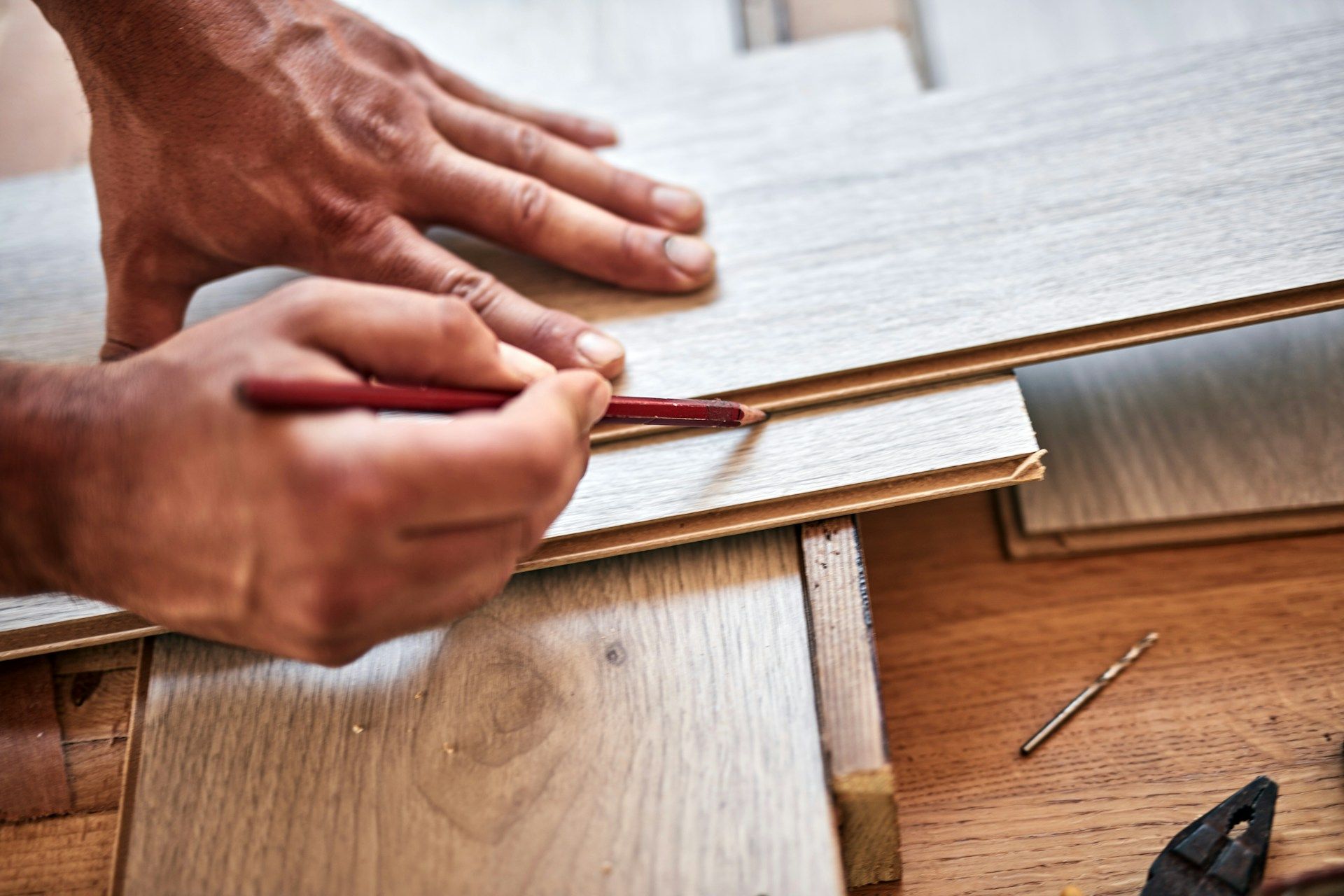
• Look at any joints or seams. Are they tight and smooth, or is there a visible gap? Gapping suggests the materials expand or contract too easily.
• Touch the edges. If they feel sharp, loose, or brittle, ask if that’s normal. Some materials react badly to winter storage or shipping, and you’ll want to know what you’re getting before it lands in your house.
Small flaws in the showroom can turn into bigger issues in your living room.
Talk to Staff About Real Homes and Repairs
Good conversation can teach you more than any product list. It helps to talk about what’s really happening out there in Owensboro homes this time of year.
• Ask if they’ve installed floors in entryways, basements, or laundry rooms during the colder months. These spaces usually get hit hard by wet weather.
• Find out what problems tend to pop up after winter. Things like wrinkled carpet, lifted planks, or warped boards can be tied back to poor installation or the wrong materials.
• Ask how they check subfloors before installing new surfaces. If repairs or prep work are skipped, new floors won’t sit flat or last as long.
You’ll make smart choices if the answers feel honest and based on actual homes, not just product specs.
Check the Quality of the Underfoot Feel
Visual details matter, but how a floor feels under your feet carries just as much weight. You want something that’s solid, comfortable, and built to hold steady through different seasons.
• Walk slowly across the display. Does the floor shift, creak, or bounce as you go? Movement like that shouldn’t happen with good support in place.
• Press gently with your foot. Thinner options might feel soft or spongy, but that might not do well in high-traffic areas.
• Ask what’s underneath the flooring, is it padding, concrete, or another base? Keep in mind, what you feel in the store may not match what you'd feel over your subfloor at home, but it gives you a place to start.
Owensboro has cold, wet winters. A floor that feels weak in a warm store might not handle freeze and thaw in your home for long.
Choosing Better Floors By Knowing What to Look For
Buying flooring in Owensboro, KY during late winter means thinking about how materials react during this time of year. Taking a little longer inside the store, checking seams, walking on sample setups, getting local advice, helps keep surprises to a minimum once the installation is done.
We don't just want to know what the surface looks like. We want to know how it performs, how it was stored, how it’s built, and how it’s likely to hold up in a home like yours. Paying attention to those smaller pieces now means better peace of mind once the flooring is in place and spring starts tracking in with its own mix of water, dirt, and wear. Knowing what to ask and what to check gives you a solid head start.
Thinking about updating your floors in Owensboro, KY this season? At Wilson’s Custom Flooring, we understand how important it is to choose materials that handle local weather while also feeling great underfoot. We pay close attention to details like edges and seams so your new floors last from winter into spring and beyond. For expert advice or help selecting the right
flooring in Owensboro, KY, just reach out to us today and let’s find the perfect solution for your home or business.