How Wilsons Vinyl Flooring Prevents Peeling Troubles in Summer

When summer rolls into Owensboro, KY, the heat doesn’t just sit outside. It creeps into our homes too, pushing temperatures up and raising the humidity indoors. One of the places that heat and moisture love to mess with is the floor, especially vinyl. Peeling corners and curled edges can show up fast when the environment shifts too quickly. But not all vinyl reacts that way.
We use Wilsons vinyl flooring in homes that need to stay strong through the thick heat of summer. It holds its shape, keeps its look, and gives peace of mind when you feel like the house is battling the weather. A little planning goes a long way, and this kind of flooring is built to stick, without giving you peeling problems when you least expect them.
What Causes Vinyl Flooring to Peel in Hot Weather
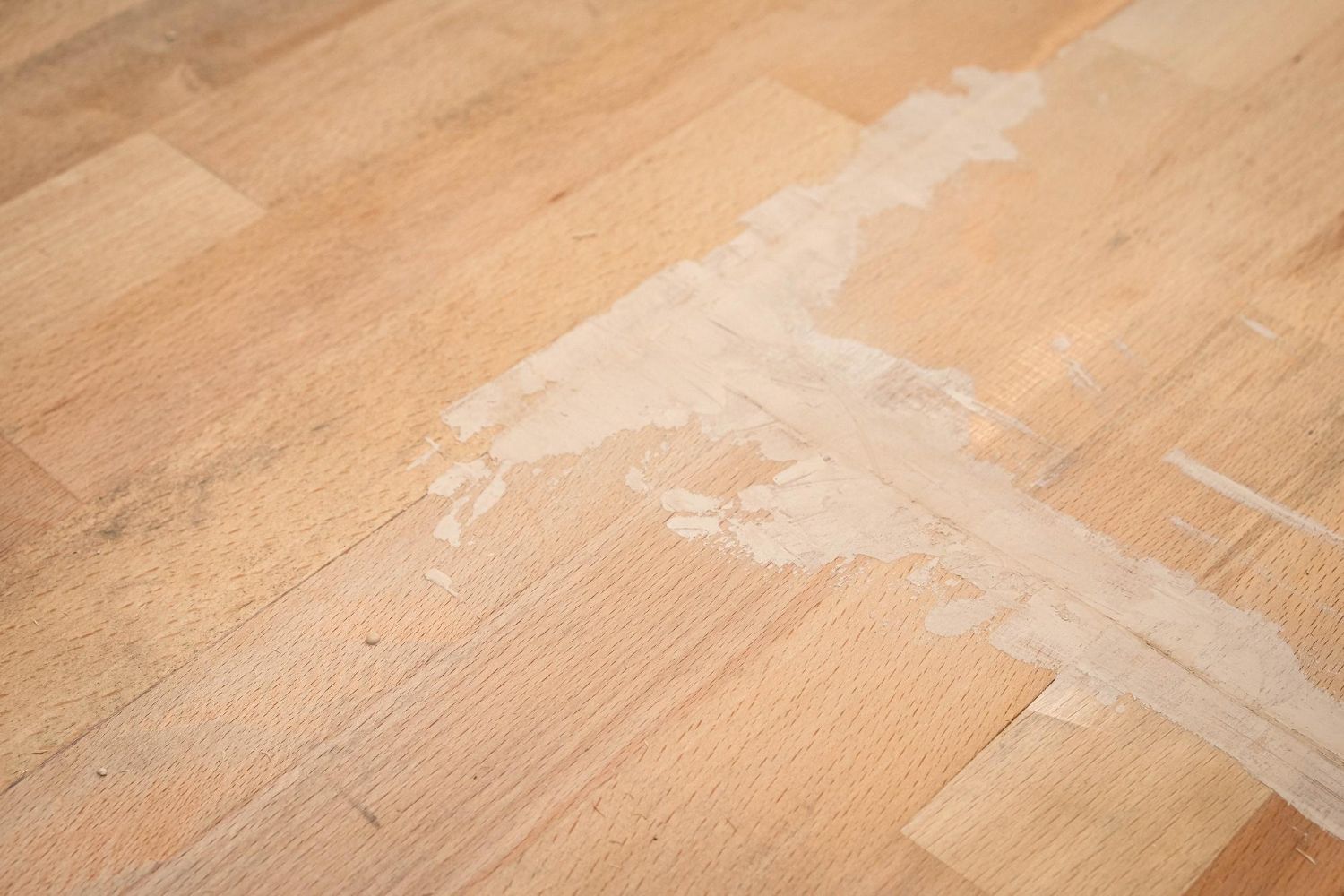
Peeling doesn’t always start big. Sometimes, it begins with only a slight lift in the corner of a plank. Other times, you'll see bubbles or raised seams where floors used to feel flat. As soon as June hits in places like Owensboro, KY, indoor spaces start to feel the shift. That’s when vinyl flooring can run into trouble if it wasn’t made or installed with summer in mind.
- Sunlight filtering through windows can heat up a small area fast. Add a little humidity to the mix, and adhesives may start losing grip.
- Air conditioning doesn’t always keep things even. Some rooms stay warmer, some cooler, which pushes parts of the floor to expand or move.
- Moisture builds up in kitchens and bathrooms during warmer months. Frequent spills or steam without good airflow can sneak under the vinyl and cause problems.
Peeling tends to show up faster near sliding doors, vent areas, and rooms with poor airflow. Once it starts, it’s hard to ignore. The good news is, there are better ways to keep that from happening in the first place.
Material Design and Why Wilsons Vinyl Flooring Holds Up Better
There’s more going on in vinyl flooring than just a smooth surface. What you can’t see is what matters most when summer puts pressure on it. Wilsons vinyl flooring holds up well because of what it’s built with and how those pieces work together.
- It’s made from several layers that bond tight, which helps it stay steady when the weather shifts. Each layer does a job: support, cushion, comfort, and strength.
- Moisture resistance is a big deal. With summer traffic and open windows, floors get wet more often. This vinyl doesn’t soak up that moisture, which keeps it from curling or lifting at the edges.
- The top finish doesn’t just make it look nice. It keeps the sun from damaging the floor too early by reflecting more heat and wearing down slower under bright light.
When floors stay cooler and keep their shape, they don’t just look better, they stay solid underfoot. That’s what we look for when picking materials that need to handle tough conditions in the early part of summer.
Installation Steps that Prevent Peeling Problems
Using a stable product helps, but it's how we install it that really locks everything into place. A hot summer can make even small errors show up fast if the work isn’t done right. That’s why timing and prep mean more than most people think.
- Before any vinyl goes in, the house needs to settle into its warm-season rhythm. Letting materials adjust to the temperature and humidity of early June helps prevent later movement.
- Subfloor prep makes a huge difference. If there's warping, leftover moisture, or any weak spots, vinyl floors won’t stick well. We fix those early so everything stays tight later.
- Finishing edges often get skipped or rushed. But these touches keep air and moisture from sneaking in, especially in spots where sun hits the baseboards or air from vents sweeps across the edges.
We treat installs like summer is already here since we know things are only going to get hotter. If flooring doesn’t have a chance to respond slowly to its environment, it will react the hard way later on.
How Summer Prep and Maintenance Keep Vinyl Floors in Shape
Once the floors are in, a bit of planning before that first 90-degree day can make a difference. It doesn’t mean more work, just smarter habits that help everything last longer.
- Use window coverings like blinds, curtains, or UV films to block the strongest sunlight, especially in the afternoon. It keeps floor temps lower and fade marks to a minimum.
- Keep the air in your home steady. That means not running the AC too low one day and letting it spike the next. Floors stay flatter when the indoor air balances out across the week instead of shifting wildly.
- Clean often, but gently. Skip cleaners that leave behind buildup or extra moisture. Just a light mop or damp cloth is enough to clear up what your shoes or pets bring in.
Little things like this help hold back peeling by keeping the top layer protected and the lower parts free of extra moisture or stress.
Built for the Heat: Why It Pays Off All Season Long
A floor is something you feel every day, but you only notice it when something goes wrong. Wilsons vinyl flooring helps keep the start of summer from turning into a flooring headache. When it stays firm, cool, and in place, everything above it runs smoother.
Planning ahead in early June makes life easier when July heat kicks in. Keeping your flooring from peeling means fewer surprises, less fixing, and a space that just stays more comfortable. And that's something you'll notice every time you walk across the room barefoot at the end of a long summer day.
When warm weather hits Owensboro, KY, make sure you’re stepping onto floors built to last. We stand by our materials and recommend products proven to perform in high-traffic spaces, like our own line of
Wilsons vinyl flooring, designed to handle heat, moisture, and daily wear. At Wilson’s Custom Flooring, every installation is approached with the season in mind so you can enjoy stability year-round. Call us today to start planning your next flooring project.