Why a Vinyl Flooring Installer Watches for Seasonal Peeling

As fall settles in around Owensboro, KY, we start to feel real changes inside our homes. The air gets cooler, indoor heat kicks on, and moisture can shift from day to day. All these seasonal shifts quietly start affecting the materials under our feet. Vinyl flooring, for example, reacts to changes in indoor temperature and humidity. If we’re not paying attention, those changes can lead to peeling, bubbling, or loose edges.
That’s why a vinyl flooring installer pays close attention to timing, prep, and conditions before and after the floor goes in. Catching early signs of peeling or knowing where trouble might show up helps keep floors looking good through the colder months.
How Temperature Swings Lead to Peeling
Vinyl is more flexible than many surfaces, which is one reason it’s so popular in homes. But with that flexibility comes movement. When temperatures rise, vinyl can expand slightly. When they fall, it contracts. On its own, that’s normal. But if the flooring wasn’t installed during the right conditions, sharp cold spells can disrupt that balance.
We’ve seen how rapid fall-to-winter drops can start lifting the corners or create small gaps at seams. These issues often begin subtly, especially in rooms close to entryways where cold air sneaks in. One big cause is not letting the vinyl adjust to the room’s indoor climate before installation. The floor needs to get used to the space first, and if it’s locked down too soon, it may shift after it’s already glued or clicked into place.
Waiting for the right moment to install, and letting the material sit inside the home before use, makes a real difference. It helps everything settle evenly and avoids surprises when temperatures start to fall. Gradual acclimation is a simple step but pays off with floors that stay tight and smooth as the cold sets in.
Why Moisture and Humidity Matter
Fall isn't just cooler, it’s often wetter. Rain picks up, windows stay closed, and humidity creeps around quietly indoors. That extra moisture can work against adhesives used beneath vinyl, especially if they weren’t chosen for seasonal conditions.
Rooms like mudrooms, bathrooms, or kitchens often experience more of this kind of movement. Between steamy showers, wet shoes, and cooking moisture, the air gets a little trickier to manage. Over time, that added humidity can push up against the glue underneath. Once that bond starts to weaken, the vinyl may bubble, shift, or lift at the edges.
We watch for how these seasonal changes interact with the home’s airflow and moisture levels. That way, the right underlayer and adhesive choices are made long before any vinyl hits the floor. This careful prep means floors will stay looking new for longer, even when Owensboro, KY weather throws changes our way.
Wilson’s Custom Flooring offers a broad range of vinyl flooring products, including waterproof, glue-down, and floating vinyl plank options that are built to handle both changing temperatures and common kitchen, basement, and bath moisture challenges found in Owensboro, KY, homes. Our products are designed for quick maintenance and standout durability from season to season.
Signs a Pro Looks For Before and After Fall
Certain flooring issues show up gradually before becoming big repairs. A trained vinyl flooring installer checks for early signs well ahead of winter, especially when a floor was installed just before cooler weather.
Here are a few signs we keep an eye on:
- Slight lifting along the edges or corners
- Small bubbles or pockets of air under the surface
- Uneven spots that weren’t there a few weeks earlier
- Noise when stepping across areas that used to be silent
These clues allow us to intervene before problems spread. We also use tools to check for underlying gaps or temperature-sensitive shifts that aren’t always easy to see right away. Having enough experience helps us read early season problems before they start affecting how a floor wears through winter. By being proactive rather than reactive, we reduce the need for bigger repairs later.
When Timing the Job Makes a Difference
Not every season works equally well for new flooring. Fall often gives us one of the better windows to work in. Before the cold really takes hold but after the extreme summer heat fades, interior conditions stay more consistent. This can make installation go more smoothly and reduce the risk of seasonal issues.
During fall, indoor temperatures are gentler, air isn’t drying out too fast, and most heating systems haven’t been running hard for long stretches. That steadier environment helps vinyl settle into the subfloor naturally. And if anything does shift by winter, it’s usually small and manageable.
Planning the job just a few weeks earlier or later can affect long-term performance. We’ve learned that even minor changes in timing can mean the difference between a smooth holiday season and a surprise repair. Carefully choosing an installation window can leave homeowners with fewer headaches when entertaining over the holidays or dealing with busy family schedules.
How Pros Prevent Issues During Install
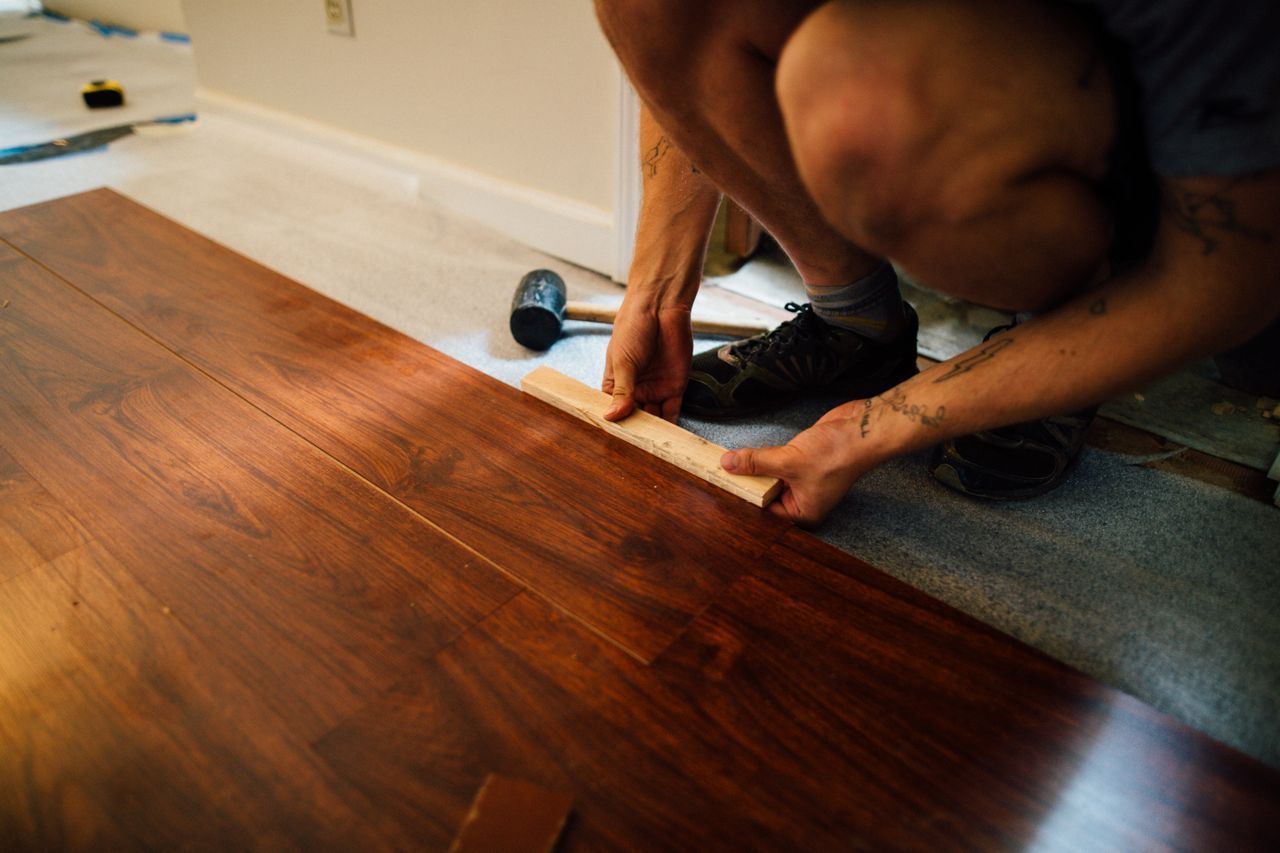
A big part of a long-lasting vinyl floor happens before the first plank is set down. We look at more than just the surface. The underlayment needs to match what that room will go through from season to season. In some homes, that means more waterproofing. In others, it might mean more cushion to adjust for heat changes.
We also make sure the flooring stays indoors for a few days before installation. That lets it adjust to the home’s specific humidity and temperature level. Skipping this step is one of the biggest reasons we see peeling later.
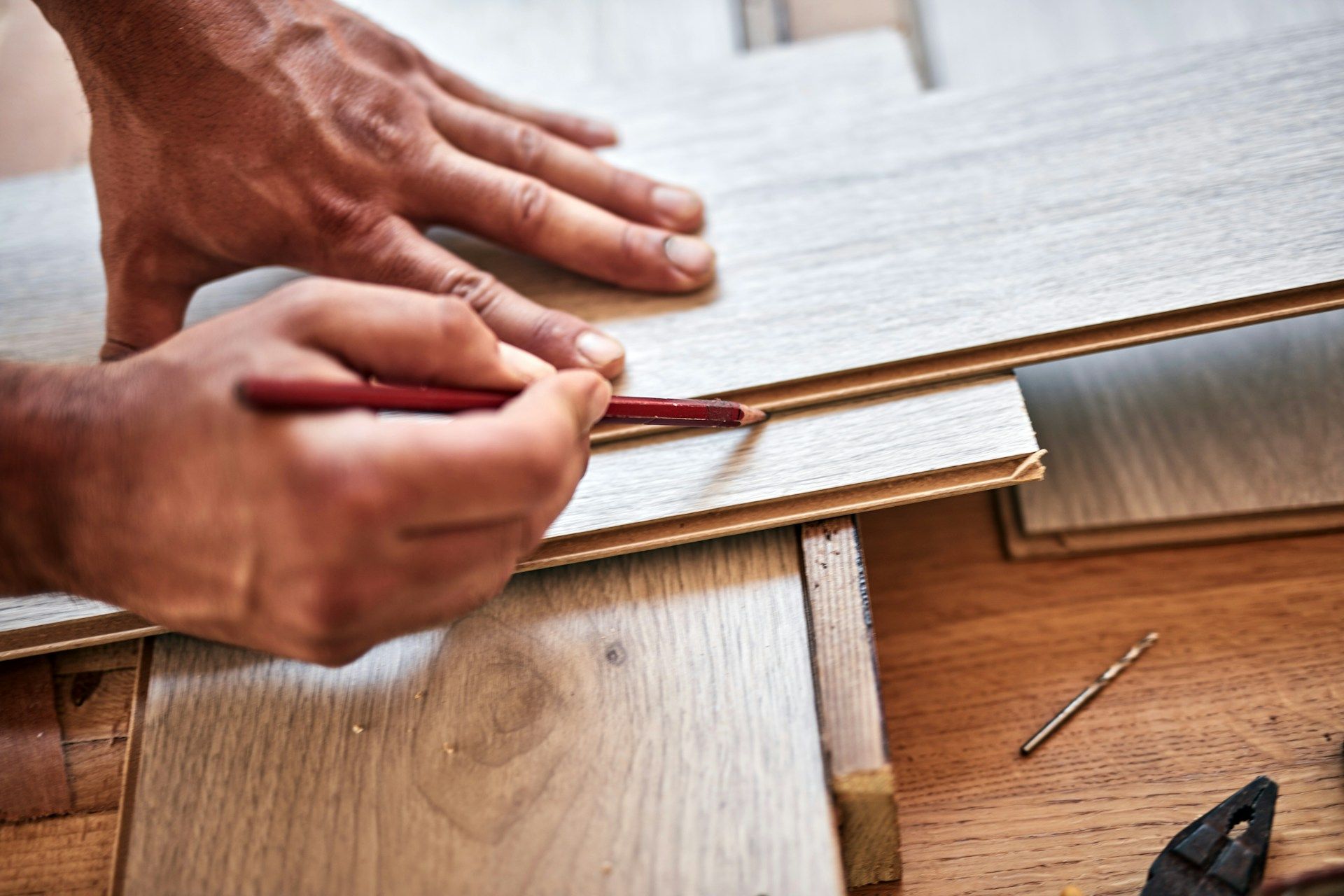
Edge sealing, layout planning, and managing how one room flows into the next all factor into that process. Especially around doorways and HVAC vents, a lot can shift suddenly as fall moves into winter. Taking that into account ahead of time helps floors last longer without visible wear. Close attention to how seams and corners are finished makes all the difference when temperatures dip and homes start to dry out.
Keeping Floors Strong From Season to Season
When we install vinyl flooring with the seasons in mind, the end result holds up better. Watching temps, checking moisture, and picking the right moment helps stop problems before they start. That’s true in Owensboro, KY, where fall can change quickly and indoor systems start working harder by mid-October.
A good vinyl floor doesn’t just look nice when it’s new. It continues to feel solid month after month. By staying ahead of the weather, knowing what to look for, and installing with care, we help homeowners enjoy flooring that’s ready for whatever season comes next.
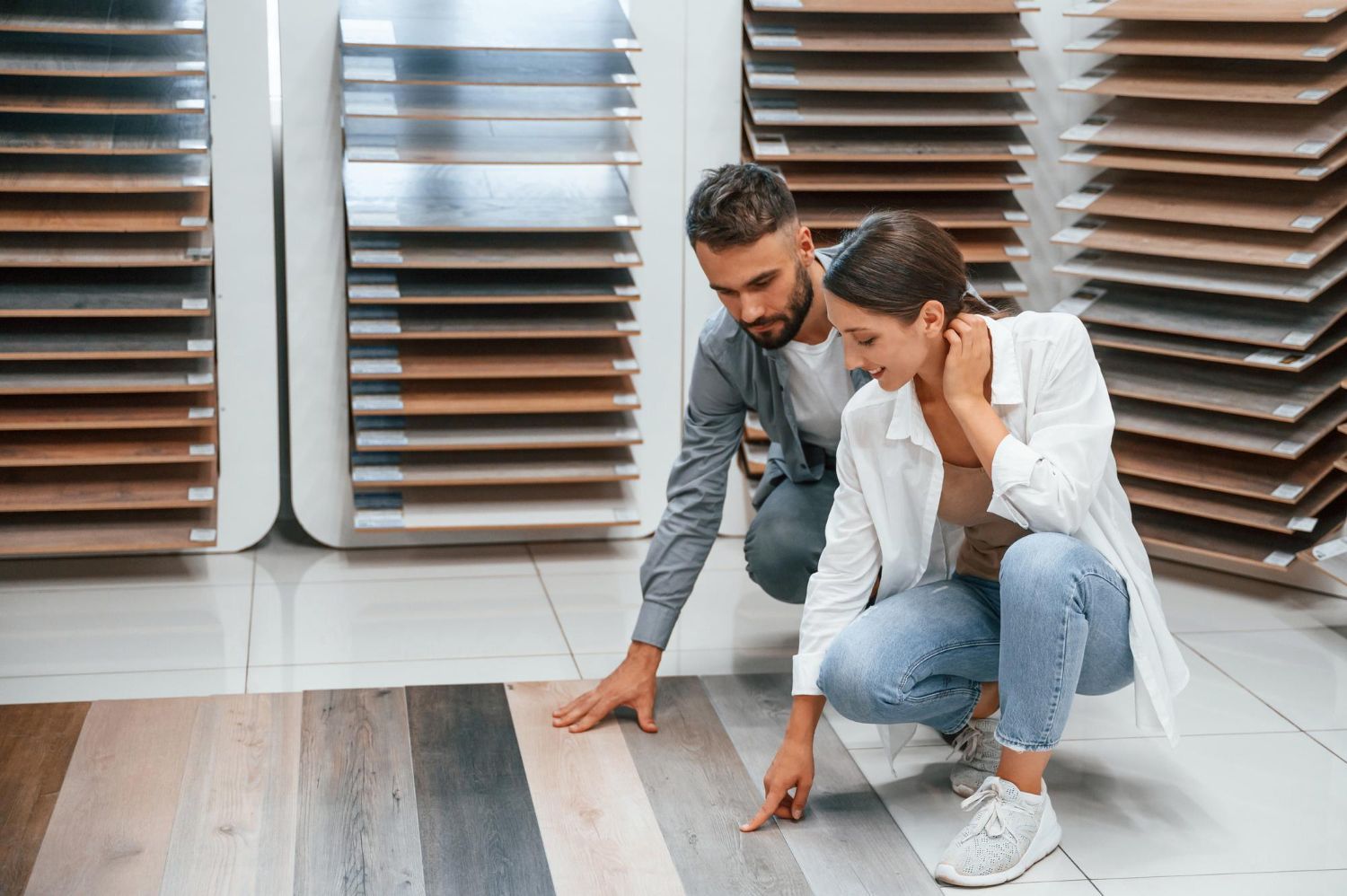
Planning a project before temperatures drop means making smart choices about flooring materials and timing. Room use and seasonal air changes can impact how long your new floors last, so having a knowledgeable
vinyl flooring installer on your team makes all the difference when the seasons shift in Owensboro, KY. At Wilson’s Custom Flooring, we focus on details that help keep your home steady from floor to ceiling. Ready to talk about your goals? Contact us today.