How to Fix Uneven Floor Transitions Between Rooms

Stop Tripping at the Doorway: Why Transitions Matter
Uneven floor transitions have a way of reminding you they are there every single time you walk from one room to another. If you are catching your toe on a lip, hearing doors scrape, or noticing that two beautiful floors do not quite meet cleanly, the issue is usually at the transition. Floor transitions are the points where one flooring surface ends and another begins, such as between a hallway and bedroom, from tile to carpet, or where kitchen flooring meets living room flooring.
When these transitions are planned and installed correctly, they feel smooth underfoot, look intentional, and help each material last longer. When they are wrong, they turn into tripping hazards, eyesores, and weak spots that can lead to damage. With the right materials, layout decisions, and professional flooring services, those awkward bumps can be corrected or prevented. In this article, we will walk through what causes uneven transitions, smart design choices, the types of transition pieces available, and how we at Wilson’s Custom Flooring in Owensboro, KY, approach fixing them.
What Causes Uneven Floor Heights Between Rooms
The first step in solving a transition problem is understanding where the height difference comes from. One of the most common reasons is a mix of different flooring materials. Hardwood, tile, laminate, vinyl, and carpet all have their own thickness ranges. Add in underlayment, backer board, or carpet padding, and the total height can vary quite a bit from room to room.
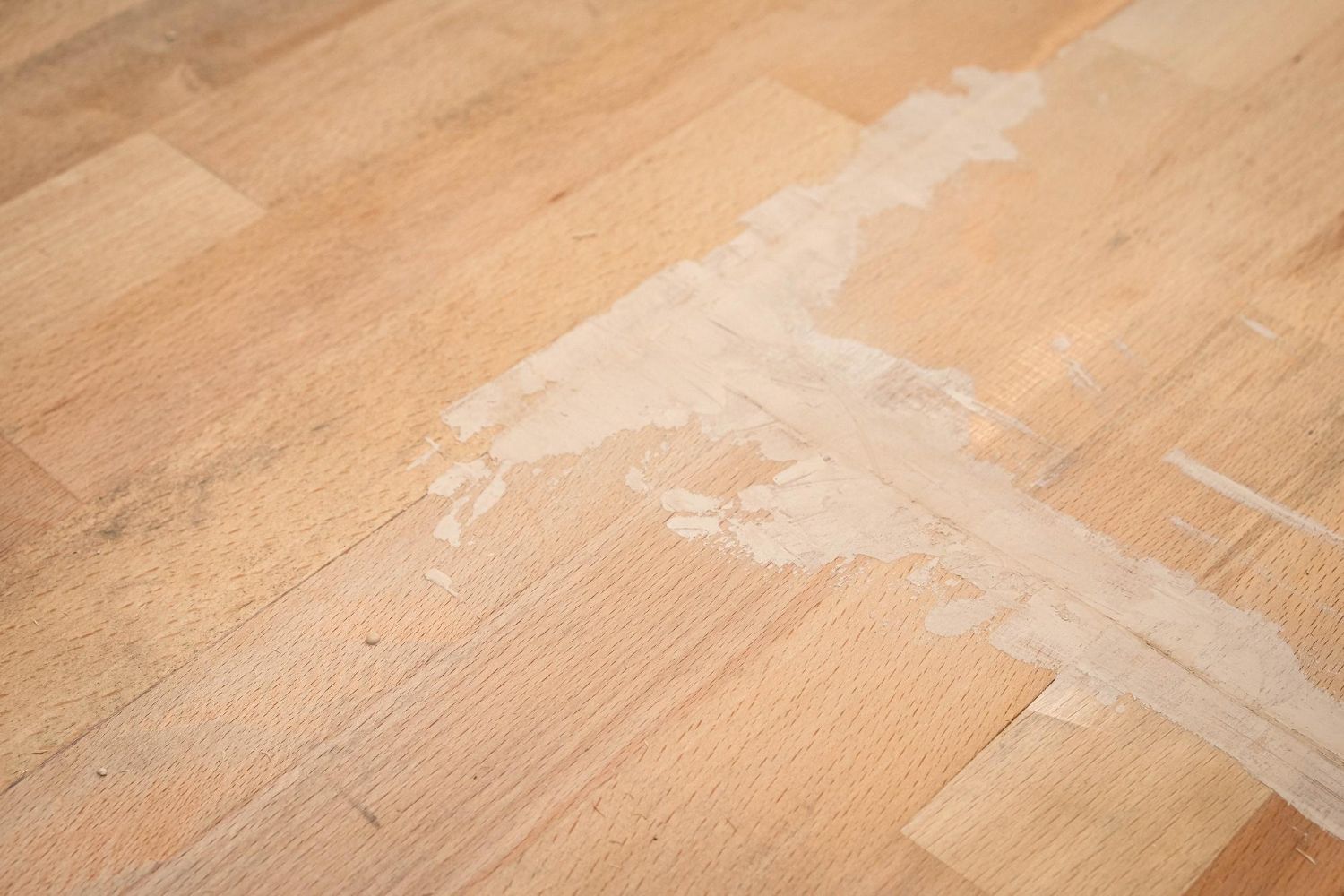
Subfloor and structural issues are another big factor. Older homes especially can have subfloors that dip or crown slightly where rooms meet. Past water damage can swell or weaken subfloor panels, and previous additions or repairs sometimes leave a ridge where two structures connect. Even when new flooring is installed correctly, these underlying issues can create humps or dips that show up at doorways.
DIY or piecemeal projects often add to the problem. Many homeowners replace flooring one room at a time, sometimes years apart, with different products and installation approaches. If the original material stayed in the hallway and only the bedroom was updated, that doorway might now have mismatched heights or an improvised transition strip that never felt quite right.
These differences are more than just cosmetic. Uneven transitions can:
- Increase the chance of trips and falls
- Put extra stress on the edges of plank or tile, leading to chips or separation
- Cause doors to drag and wear on both the floor and the door
- Make an otherwise updated home look “off” and less finished
Addressing the cause before choosing a fix is exactly where professional flooring services make a big difference.
Smart Design Choices to Minimize Height Differences
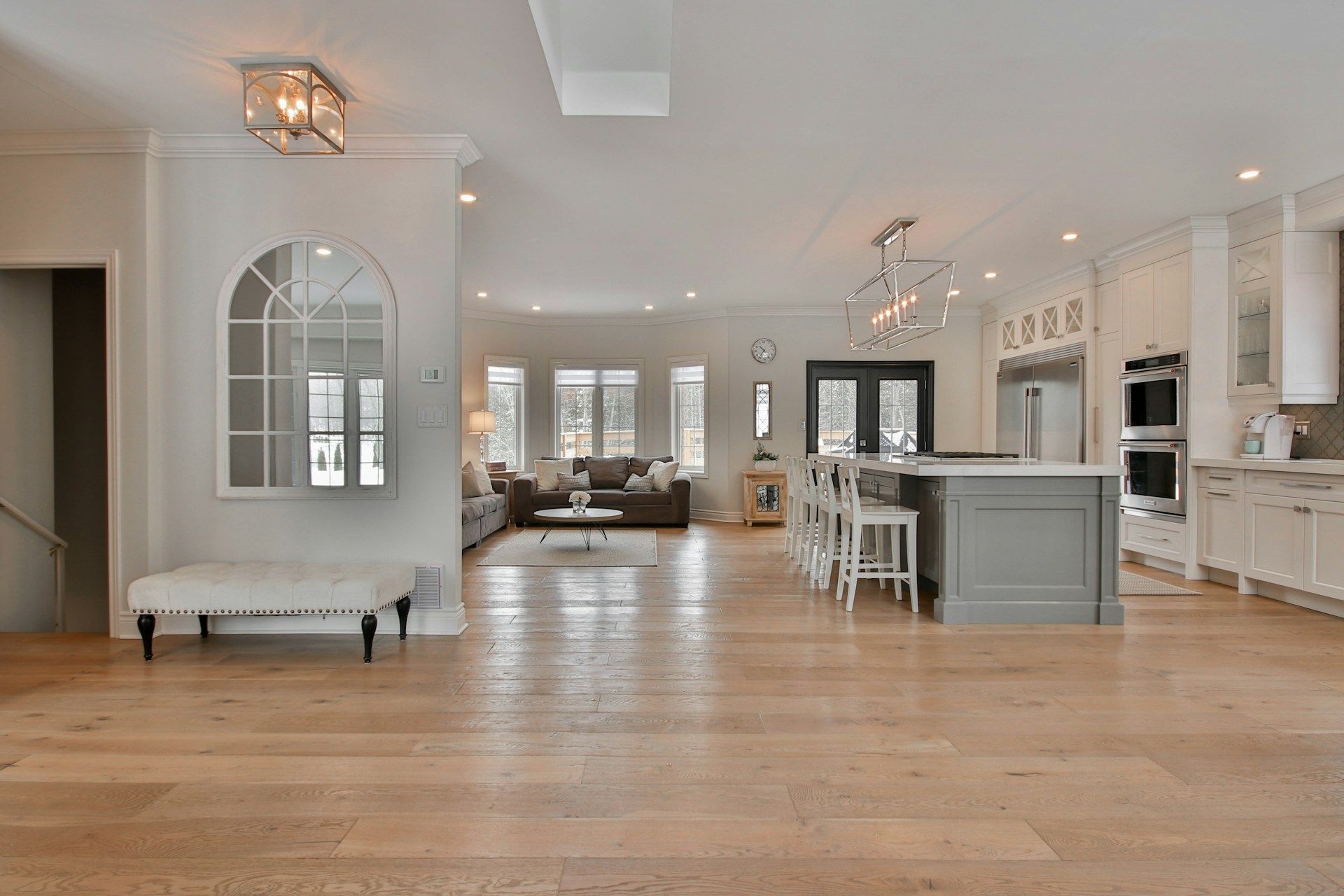
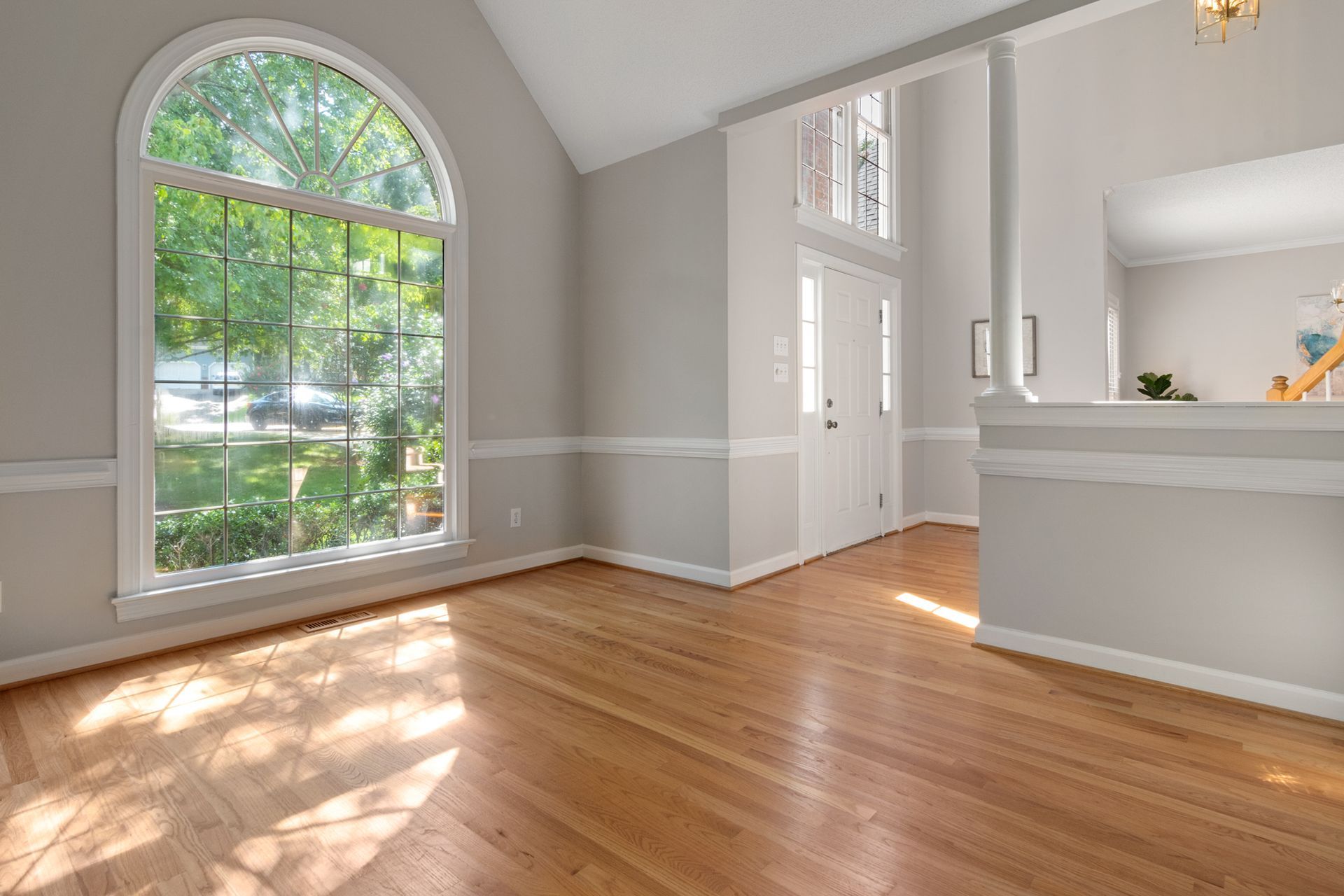
When flooring is planned as a whole-home project, transitions become easier to manage. One of the best strategies is to plan flooring types together, considering not only the look but also the installed height. For example, if you love tile in the kitchen next to hardwood in the living room, selecting products that are similar in thickness will reduce how much change in height needs to be handled at the doorway.
Underlayment is another helpful tool. Many laminate, vinyl, and engineered wood products are paired with foam or cork underlayments that can be adjusted in thickness to better align with a neighboring floor. On the tile side, cement board thickness or mortar bed depth can sometimes be fine-tuned within the manufacturer’s guidelines to help balance heights.
Layout choices also play a big role. Thoughtful layouts might include:
- Running planks in the same direction through connecting spaces
- Centering transitions under doors so the break sits neatly under the closed door
- Avoiding thin “slivers” of flooring at the threshold that are more likely to chip or lift
- Aligning grout lines or board joints so the transition feels intentional
This is where professional flooring services can help you think through the entire home at once. We can measure, compare product specs, and recommend combinations that keep transitions as smooth and subtle as possible.
Transition Pieces That Make Uneven Floors Look Seamless
Even with smart planning, some material changes will always have a little height difference. That is where transition pieces come in. There are several common profiles designed specifically to bridge changes between floors.
Reducers are used when one floor is slightly higher than the next, such as tile down to hardwood or luxury vinyl. The top of the reducer sits flush with the higher floor and gently slopes to meet the lower surface. T-molding is often used between two floors of similar height, such as laminate to laminate or laminate to vinyl, and it creates a clean, centered seam between materials. End caps finish the exposed edge of flooring where it meets something like a sliding door track. Stair nose is designed for steps or sunken living areas where a full edge needs to be finished safely.
Choosing the right piece is about both style and function. You want a profile that safely covers the change in height while also matching or complementing the floors. Many product lines offer coordinating trims in the same color family, and when they are not an exact match, we can often find a custom stain or material that ties the spaces together.
Consider a few common situations:
- A tile kitchen floor sits a little higher than an adjoining hardwood hallway. A reducer in a wood tone that blends with the hallway floor can create a gentle slope instead of a sharp lip.
- Carpet in a bedroom meets luxury vinyl plank in the hall. A T-molding or a specialized carpet-to-hard-surface strip can hold the carpet edge securely while keeping the transition low and smooth.
- A thick existing tile floor meets new laminate at a bathroom doorway. A custom threshold, possibly trimmed and finished on site, can bridge the gap cleanly and protect the edges of both materials.
In every case, craftsmanship matters. Precise measuring, careful cutting, and secure fastening are what make transitions feel solid and “built-in” rather than tacked on. That is a core part of what we focus on with our professional flooring services.
Fixing Existing Uneven Transitions the Right Way
If you are already living with a problem transition, the fix starts with a good assessment. Look at how much height difference exists and over what distance. Is it a sharp step or a gradual change? Check the width of the doorway and whether there are signs of subfloor movement, such as flexing when you step, cracked grout, or squeaks.
From there, several repair options are possible:
- Subfloor correction, such as sanding down high spots or using a leveling compound to fill low areas before reinstalling flooring near the doorway
- Replacing old or poorly sized transition strips with better-fitting profiles that match the materials and heights
- Adjusting or re-installing a small area of flooring on one or both sides of the doorway to create a cleaner, straighter edge for the transition piece
It is also important to think about safety and best practices. Transitions should avoid sharp edges or narrow, tall lips that catch toes or wheels. Many building guidelines recommend keeping changes in level low and, when larger changes are needed, spreading them out as a slope instead of a sudden step. Accessibility is easier when transitions are gentle and well secured.
There are times when DIY is not the safest approach. If you see signs of structural movement, past water damage, loose subfloor panels, or cracked tile that keeps returning, that points to a deeper issue. When several rooms are involved or when valuable materials like hardwood or tile need to be adjusted, professional flooring services give you a better chance at a long-lasting fix.
Local Help in Owensboro: Get Smooth Transitions That Last
Well-planned transitions do more than stop trips at the doorway. They help protect flooring edges from chipping and fraying, reduce wear on doors, and create a more cohesive, high-end look from room to room. When floors line up properly, the whole home feels more comfortable and thoughtfully finished.
At Wilson’s Custom Flooring in Owensboro, KY, we work with hardwood, laminate, tile, vinyl, carpet, vents, accessories, and hardwood refinishing, so we see how each type behaves at transitions. By combining good design decisions, the right transition pieces, and careful installation, we help homeowners move smoothly from one space to the next without awkward bumps or eyesores at the threshold. With a solid plan and professional flooring services, those problem doorways can be turned into clean, safe, and seamless connections between the rooms you use every day.
Get Started With Your Project Today
If you are ready to transform your space, explore our
professional flooring services to find the right solution for your home or business. At Wilson’s Custom Flooring, we take the time to understand your goals so we can recommend materials and designs that fit your style and budget. Reach out to our team with any questions or to request an estimate, and we will guide you through every step. When you are ready to move forward, simply
contact us to schedule your consultation.