Understanding Wilson Floor Refinishing and Topcoat Layer Timing

Hardwood floors carry a lot of history. Over time, they collect scuffs, discoloration, and wear that can dull their original look. Fall is a natural time for homeowners to start thinking about giving those floors some attention. The air cools, indoor projects feel more manageable, and there's still enough daylight to get things done before winter sets in.
One of the common reasons people seek out Wilson floor refinishing is that their floors have grown cloudy or scratched. Sometimes it's because they want a new sheen or color to match changes in style. Other times, it’s about fixing damage after years of foot traffic. What many homeowners don’t realize is how important timing is during the process, especially when applying the topcoat layer. A rushed job or poor weather conditions can easily shorten the life of a finish.
What Floor Refinishing Really Means
Refinishing a hardwood floor isn’t just about making it look shiny again. It’s a complete process that starts beneath the surface and works its way to a smooth, sealed top layer. Skipping steps can cause all kinds of trouble later on.
- The floor needs to be sanded. This clears off the old finish and smooths out shallow gouges or uneven areas.
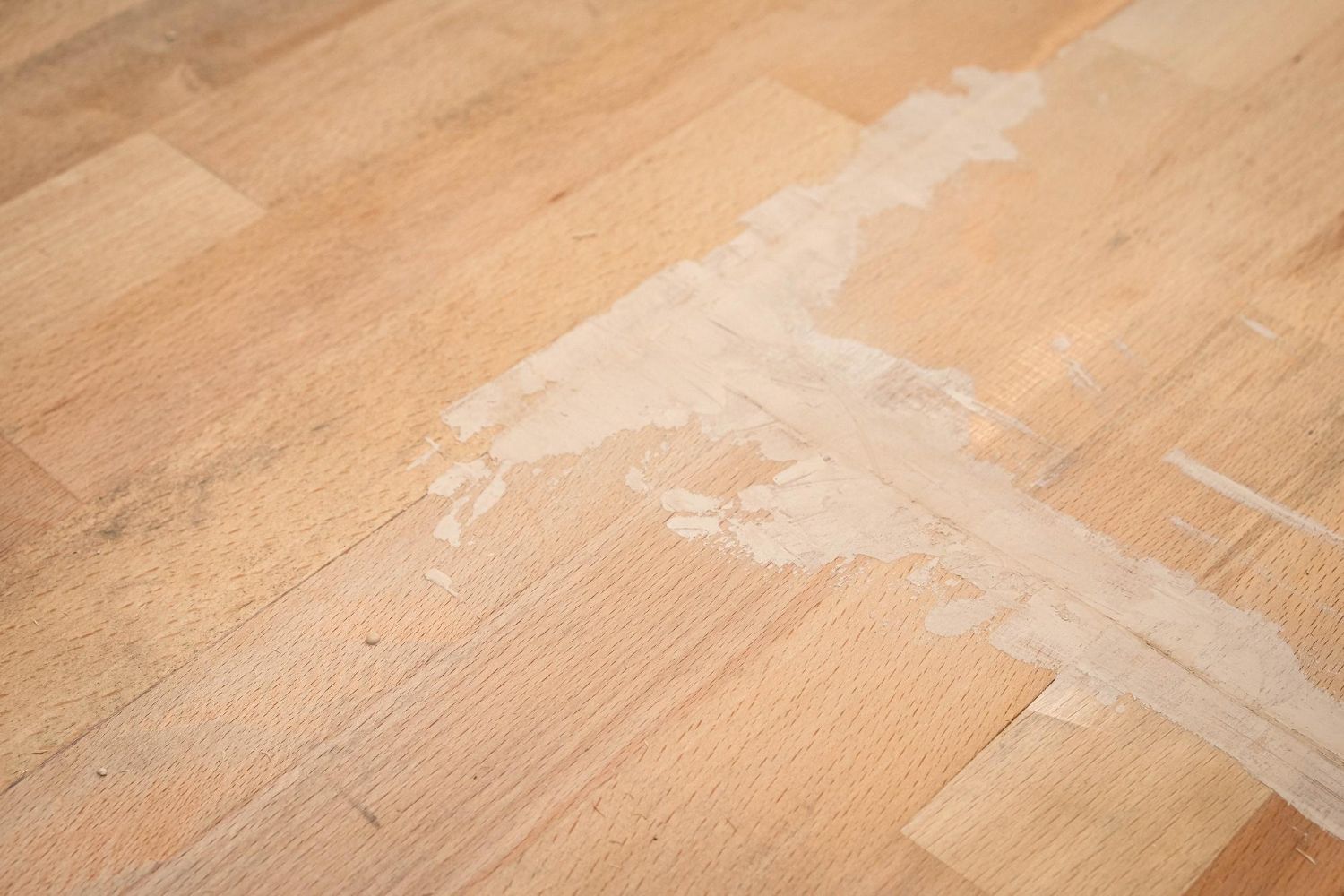
- Any deep damage or gaps are often filled or repaired during this stage.
- Once smoothed, the surface is cleaned completely before the first protective coating is applied.
- The topcoat comes last. It adds that final layer of durability and shine.
Different types of wood may be harder or softer, which means the tools and timing are adjusted slightly from project to project. Softer woods might need lighter sanding and more careful handling to avoid uneven spots. Hardwoods, while tough, can take more effort to get to a clean, ready state. Either way, knowing the exact needs of the material makes a difference in how it responds to refinishing and restoration work.
Wilson’s Custom Flooring specializes in hardwood refinishing, with experience in restoring floors throughout homes, kitchens, and living spaces in Owensboro, KY. We use trusted equipment and finishes that work for both traditional and modern design updates.
Why Timing Matters for Each Layer
Each step in the refinishing process needs clear, dry air and steady temperatures to go right. That’s why fall is one of the better times of year to plan this kind of work. By early October in Owensboro, KY, the hot humidity of summer is gone, but winter's dry heat hasn’t taken over. That middle ground helps layers dry and settle at the right pace.
- Sanded floors can absorb finishing coats more evenly when the air isn't too damp or too dry.
- The first coat of finish often dries within a few hours, but it needs more time before the next is added.
- Humidity levels around 40% to 60% are ideal, and fall weather often hits that mark consistently.
- A full cure of the topcoat can take a few days, depending on the product used and room ventilation.
If the timing is off, the layers might bubble, dry unevenly, or get dull spots. Cooler nights without hard freezes help the finish flow smoothly and cure with fewer problems. Skipping over these timing details often leads to a surface that doesn’t last or one that needs touchups too soon.
Choosing the Right Finish for Your Needs
Not all topcoats are the same, and choosing the wrong one can shorten the floor’s lifespan. We walk homeowners through a few options based on how the room is used and what kind of appearance they want.
- Oil-based finishes tend to give a richer tone and work well for durable, long-wear spaces. They take longer to dry but form a strong, steady layer.
- Water-based finishes dry faster, produce less odor, and tend to look clearer. These are often used in spaces where time matters or where people want a lighter look.
- Sheen levels matter too. Glossy finishes reflect more light and show more imperfections. Matte or satin finishes hide minor marks and create a calmer, more understated appearance.
We match the right finish to the homeowner’s lifestyle. Busy entryways, active kitchens, or dog-friendly homes might lean toward more durable coatings. Lower-traffic rooms like guest bedrooms or sitting areas can use a faster-curing finish with a lighter touch.
How to Prep Your Home for a Smooth Refinishing Job
Getting the space ready before floor work starts helps everything go more smoothly. It also limits the chances of delays or small mistakes that could stretch the job longer than intended.
- Clear out furniture ahead of time. That means couches, rugs, plants, and any loose items that rest on or near the floor.
- Cover doorways or trim with plastic if possible. Fine sanding dust can move easily through a home, even with machines that collect most of it.
- Plan for airflow. Opening windows on dry fall days helps new finish layers set and keeps smells from building up indoors.
- Block off the room from foot traffic during and after finishing. Just stepping through too early can leave marks, push debris into soft surfaces, or dent uncured areas.
Allowing the space to stay untouched until the final coat is dry is one of the hardest parts. But it's also one of the best ways to keep floors looking sharp for years.
Realistic Expectations After Refinishing
It’s tempting to move everything back in right away, especially when the finish looks dry on the surface. But there’s often more going on underneath. The final topcoat may feel dry to the touch within a day, but it needs extra time to reach its full strength.
- Furniture should wait at least two to three days before being moved back carefully.
- Rugs and mats should stay off the surface for about a week to avoid pattern marks or early wear.
- Avoid cleaning with water or strong products during the first few weeks. A dry mop or soft sweep is enough during this stage.
Maintenance helps too. A few felt pads on chair legs, a habit of removing shoes at the door, and regular cleaning help slow down wear. With extra care, refinished floors can look good for years. Scuffs, scratches, and light spots may still show up later, but they are easier to fix if the finish was applied in the right conditions. When you’re patient during those first weeks, you get a smoother, steadier shine that keeps up with changing seasons.
A Smoother Season Starts With Finished Floors
Fall is one of those sweet spots in the year where indoor projects get easier. With steady temperatures and lower humidity in Owensboro, KY, homeowners who choose to refinish now are often rewarded with stronger results. The floors not only look better heading into the holidays but are also better protected from heavy winter shoes and extra activity.
Waiting out winter or rushing to finish during cold months can bring more risk. But catching that fall timing lets each part of the project, from sanding to sealing, set the right way. The floors come out looking better, feeling sturdier, and staying that way long after colder weather settles in.
Thinking about restoring the depth and shine of your hardwood floors? Fall is the ideal season in Owensboro, KY, thanks to cooler temperatures and low humidity, which help ensure a beautiful, lasting finish. We’ll walk you through every stage of the process, from choosing the right products to preparing your space and applying the final coat. To learn more about your options for Wilson floor refinishing, reach out to Wilson’s Custom Flooring today.